
Android Things is the latest Google operating system. It is designed to be used in devices for what is known as the "internet of things," and will compete with similar platforms offered by other companies for their different devices. However, many business owners and consumers alike are scratching their heads wondering how this latest Google […]
 Android Things is the latest Google operating system. It is designed to be used in devices for what is known as the "internet of things," and will compete with similar platforms offered by other companies for their different devices. However, many business owners and consumers alike are scratching their heads wondering how this latest Google operating system manifestation will impact them. If you are among those interested business owners, it is vital to get to learn about Android Things.
Android Things is a Google operating system designed for use and compatibility with connected speakers, routers, security cameras, smart thermostats, and more. Essentially these are the "things" that need to be connected through WiFi to a smartphone or tablet to be controlled as part of a larger network or system.
Google originally announced an Internet of Things operating system referred to as Brillo. However, Brillo did not do as much or as well as expected, and it has rarely been mentioned since. Rather than continue to allow Brillo to fade into obscurity, Google decided to rebrand Brillo as Android Things, an improvement that offers the same developer tools as other Android operating systems.
It is important to keep in mind that Android Things is a background operating system rather than an obviously visible system like the system on a phone or tablet. But the fact that it can accomplish more complex tasks quickly and efficiently can mean big things for its use in business.
If you are interested in knowing more about Android Things or about using devices that put this OS to use, contact us right away. We’ll help you keep up with the latest development updates so you can be the first in line when Android Things products are widely released.
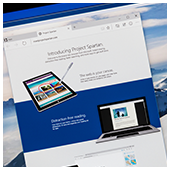 Microsoft Edge has recently been changed and updated. While this is nothing unusual, what is unusual is the sudden choice to no longer be as Adobe Flash-friendly as it once was. The blocking of Adobe Flash by Microsoft's primary web browser can have significant repercussions for businesses and web users alike. As a business owner, you may wonder whether your website and your various bells and whistles will be affected by these changes. In order to understand what is going on with Microsoft Edge and its relationship with Adobe Flash, get to know more about the rationale behind the decision as well as how your business may be adversely impacted.
 It's a scary to think you can be simply browsing the Internet when WHAM! a screen pops up out of nowhere claiming that you have been hijacked and will need to pay a bitcoin to free your computer. Unfortunately, ransomware like this is not uncommon. But now there's a new, more devastating virus that asks victims to pick other victims to replace them in order to get their computer information back safely. Read on to find out how Popcorn Time is turning the ransom game on its head -- and how you can protect yourself from it.
 In an effort to revamp its somewhat popular mobile app, Skype is launching Skype Mingo. The new version improves upon its predecessor's shortcomings and aims to become an Android user’s ultimate communication tool. Whether or not Skype will succeed is still unclear, but the new app certainly looks promising. Here are some more details about Skype Mingo.