
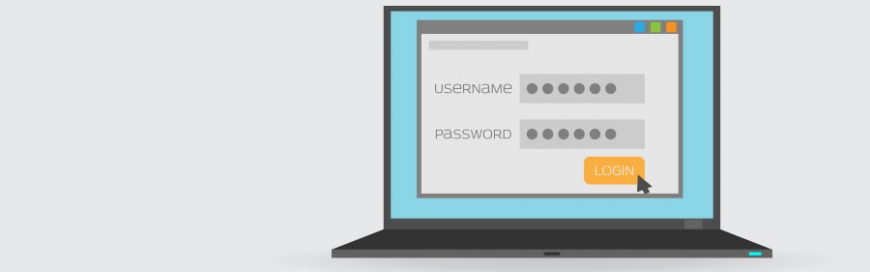
 Many people use password autofill on their web browser or password manager for convenience. The feature, however, can be used by hackers and advertisers to access user accounts and gather your sensitive information without your consent. Why password autofill is so dangerous Modern web browsers and password managers have a feature that enables usernames and […]
The post Why password autofill is risky appeared first on Complete Technology Resources, Inc..
Many people use password autofill on their web browser or password manager for convenience. The feature, however, can be used by hackers and advertisers to access user accounts and gather your sensitive information without your consent. Why password autofill is so dangerous Modern web browsers and password managers have a feature that enables usernames and […]Many people use password autofill on their web browser or password manager for convenience. The feature, however, can be used by hackers and advertisers to access user accounts and gather your sensitive information without your consent.
Why password autofill is so dangerous
Modern web browsers and password managers have a feature that enables usernames and passwords to be automatically entered into a web form. This feature isn’t completely safe, however. If you enable this feature and hackers gain access to your computer or web browser, it will be easier for them to infiltrate your accounts because the autocomplete feature will fill in all saved credentials.
Tricking a browser or password manager into providing saved information is incredibly simple. All a threat actor needs to do is place an invisible form on a compromised webpage to collect users’ login information. Once the browser or password manager enters the user’s information, the hacker will gain access to that data.
Using autofill to track users
Shrewd digital marketers can also use password autofill to track user activity. For instance, they can track people based on the usernames in hidden autofill forms they place on websites and sell the information they gather to advertisers. While they don’t intend to steal passwords, there’s always the likelihood of exposure.
One simple security tip
A quick and effective way to improve your account security is to turn off autofill. Here’s how to do it:
- On Microsoft Edge – Open the Settings window, click Profiles, and then select Passwords. Disable “Offer to save passwords.”
- On Google Chrome – Open the Settings window, click Autofill, and disable “Offer to save passwords.”
- On Firefox – Open the Settings window, then click Privacy & Security. Under the Logins and Passwords heading, untick the box next to “Autofill logins and passwords.”
- On Safari – Open the Preferences window, select the Auto-fill tab, and turn off all the features related to usernames and passwords.
Having good password security habits can significantly protect your sensitive data. For 24/7 cybersecurity support that goes far beyond protecting your privacy, call us today.
The post Why password autofill is risky appeared first on Complete Technology Resources, Inc..
 Windows 11 made a lot of buzz not just because of its new features but also because of its hardware requirements. For one, it requires supported devices to have Trusted Platform Module (TPM) 2.0 chips, otherwise, the new OS cannot be installed. In comparison, Windows 10 ran on TPM 1.2. If your business uses computers […]
 Cybercriminals will stop at nothing to steal business data, and one of their go-to tactics is exploiting the vulnerabilities in employees’ mobile devices. So if you’re looking for a way to beef up your cybersecurity strategy in the age of remote and hybrid working, implementing mobile threat detection (MTD) solutions is a good place to […]
 Can business printers get hacked? The short answer is yes. Anything that connects to your business network can be exploited by malicious actors on the internet, even innocuous machines like your printers. These can be exploited to steal data and/or create entry points into your system to launch larger attacks. So make sure you follow […]